

Full Service
Plans
Comprehensive roadmap execution from infrastructure to identity.
Explore PlansEnterprise SaaS
Know what each event, hour and vehicle actually cost.
We unified fragmented operational data into AI-driven scorecards, dashboards, labor tracking, and real-time profitability so the business can run on facts, not guesswork.
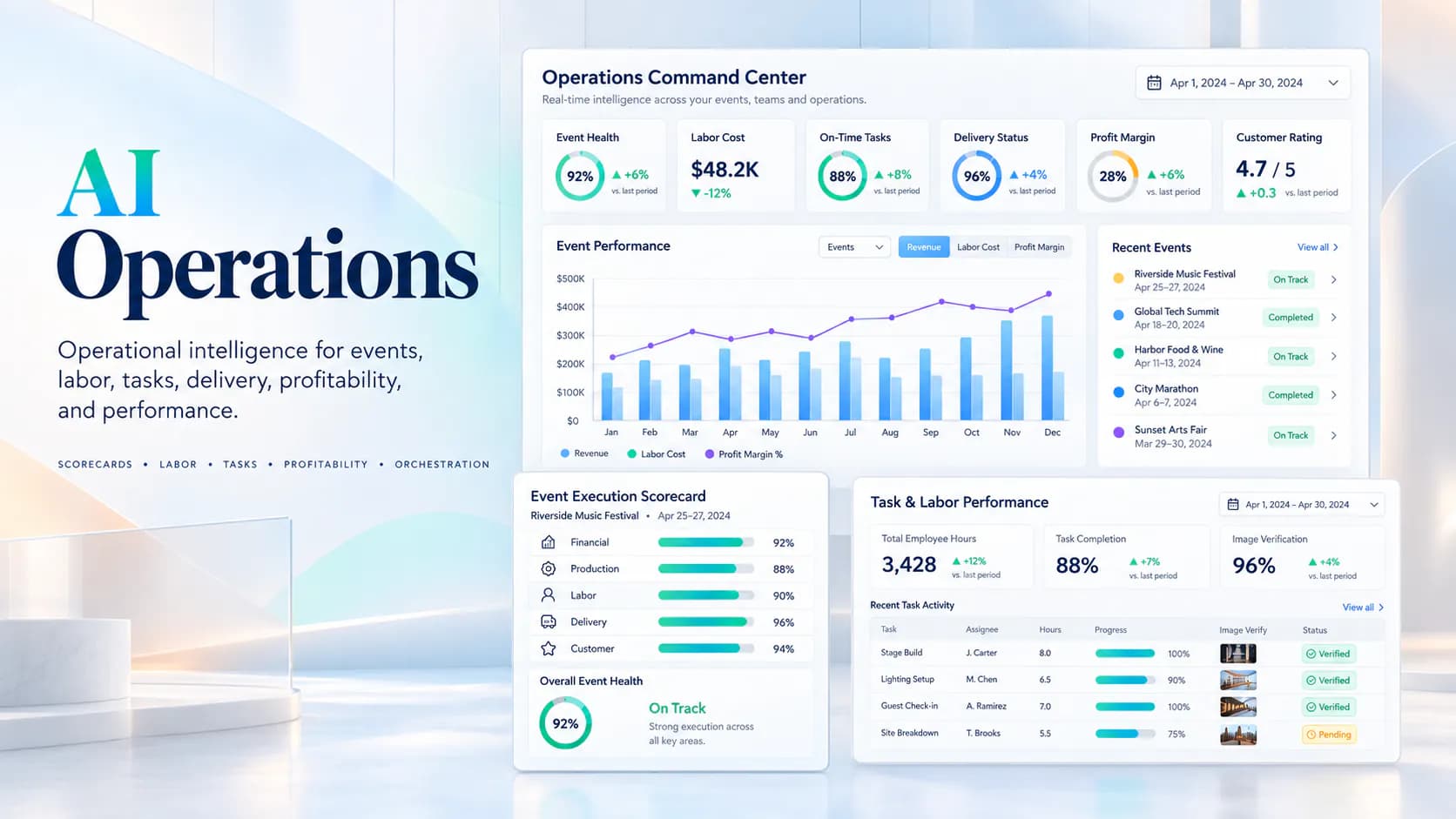
AI Operations is an operations intelligence platform. It scores how well events were executed and consolidates operational dashboards. It tracks labour and timesheets against real work and links tasks to events. It ingests vehicle telematics, tracks profitability per event and product and manages reviews and venue knowledge. An AI orchestration layer sits across all of it. It serves operations leaders in event-driven businesses. They need to know what happened, what it cost and how well it went.
Operational information was scattered across modules. There was no unified way to score how well an event was executed either financially or operationally. Dashboard visibility was fragmented. Leaders had no single consolidated view of operations, delivery, leads, events and customer satisfaction. Labour cost was never linked to the work that generated it. Timesheet and task data couldn't connect to events, farm, shop, order, inventory or volunteer workflows. The largest cost in the business was invisible at the job level. There was no reliable way to capture task-completion timing so punch and task performance went untracked. Task verification was missing entirely. Nothing showed that work had been completed correctly. Profitability was invisible because material, labour and delivery costs were never tied to revenue per event or per product. Migrating historical operational data carried real risk of duplication, partial imports and cross-tenant leakage without validation or reconciliation. Vehicle telematics could not be trusted until vendor API access and data formats were confirmed. And reviews, venue knowledge and internal communications were ad hoc with no layer watching completion, issues or opportunities.
We built an event execution KPI scorecard. It spans event snapshot, financial performance, operational execution, production accuracy, customer experience, internal debrief, a final health score and a monthly summary. That gives one structured way to judge an event instead of a dozen opinions. An operations dashboard consolidates retail orders, delivery statistics and mapping, lead sources, event statistics and customer satisfaction with location filtering. Labour and timesheet tracking came across from the legacy system. It connects to cost tracking across farm, shop, task, order, inventory, volunteer and event workflows. The system tracks punch in and out, employee and task time entries and both individual and aggregate performance reporting. Event and proposal items now assign directly to tasks using employee-class rules. Image upload handles verification. AI duration learning sharpens scheduling suggestions over time. Vehicle telematics ingests mileage, engine alerts, idle time, speed, arrivals and departures alongside repair integration for engine codes. Real-time profitability tracking ties flower, material, labour and delivery costs to revenue aggregated per event and per product. An AI orchestrator covers schedules, verification, performance scores, customer feedback, suggestions, job descriptions and replacement suggestions. It also handles AI-generated venue profiles and review automation. Historical data migrates through tenant-scoped commands with validation, idempotency and reconciliation reports.
Our role was to turn fragmented operational information into something leaders could act on. We wired data in from existing modules as each dependency became available rather than waiting for all of it at once. We used deterministic weighted scoring and scheduled aggregation wherever the rules were clear. AI was kept for the areas where judgement genuinely helps. We were explicit about data honesty. Sections without upstream data stayed manual or marked as pending rather than being filled with estimates. Vehicle telematics delivery was blocked until vendor API availability, authentication and data format were confirmed. We didn't want it built on assumptions. Migration was treated as a first-class risk with tenant-scoped commands, validation, rerun support, audit logs and reconciliation reports. QA ran continuously through each phase rather than being saved for the end. Two developers worked in parallel to compress the calendar timeline.
Backend: Django models, REST APIs, Celery scheduled jobs, tenant management commands. Frontend: React with MUI and charting. Integrations: WordPress retail orders, FedEx, Paychex, T-Mobile SyncUp Drive telematics, Google Maps, CRM, payments, inventory. AI: OpenAI and Gemini for summarisation, scheduling and orchestration.
Leaders can now score event execution against a single structured scorecard instead of assembling impressions from scattered sources. Operations, delivery, leads, events and customer satisfaction appear in one consolidated dashboard with location filtering. Labour cost ties directly to the tasks, events and timesheets that drive it. Workforce spend is traceable across all workflows. For most event businesses that's the single biggest missing number. Task completion is timed and verified through punch tracking and completion images. That gives trustworthy evidence of work done. Profitability is visible in real time and aggregated per event and per product. Margins are clear where the data exists. AI schedule suggestions and duration learning sharpen planning over time using real signals rather than estimates. Historical data migrated safely with validation, idempotency, audit logs and reconciliation reports. Tenant isolation held throughout. Vehicle telematics feeds operations only once vendor access was confirmed which keeps the data dependable rather than speculative. Continuous QA and parallel development compressed the timeline without losing release regression coverage.
Project at a Glance
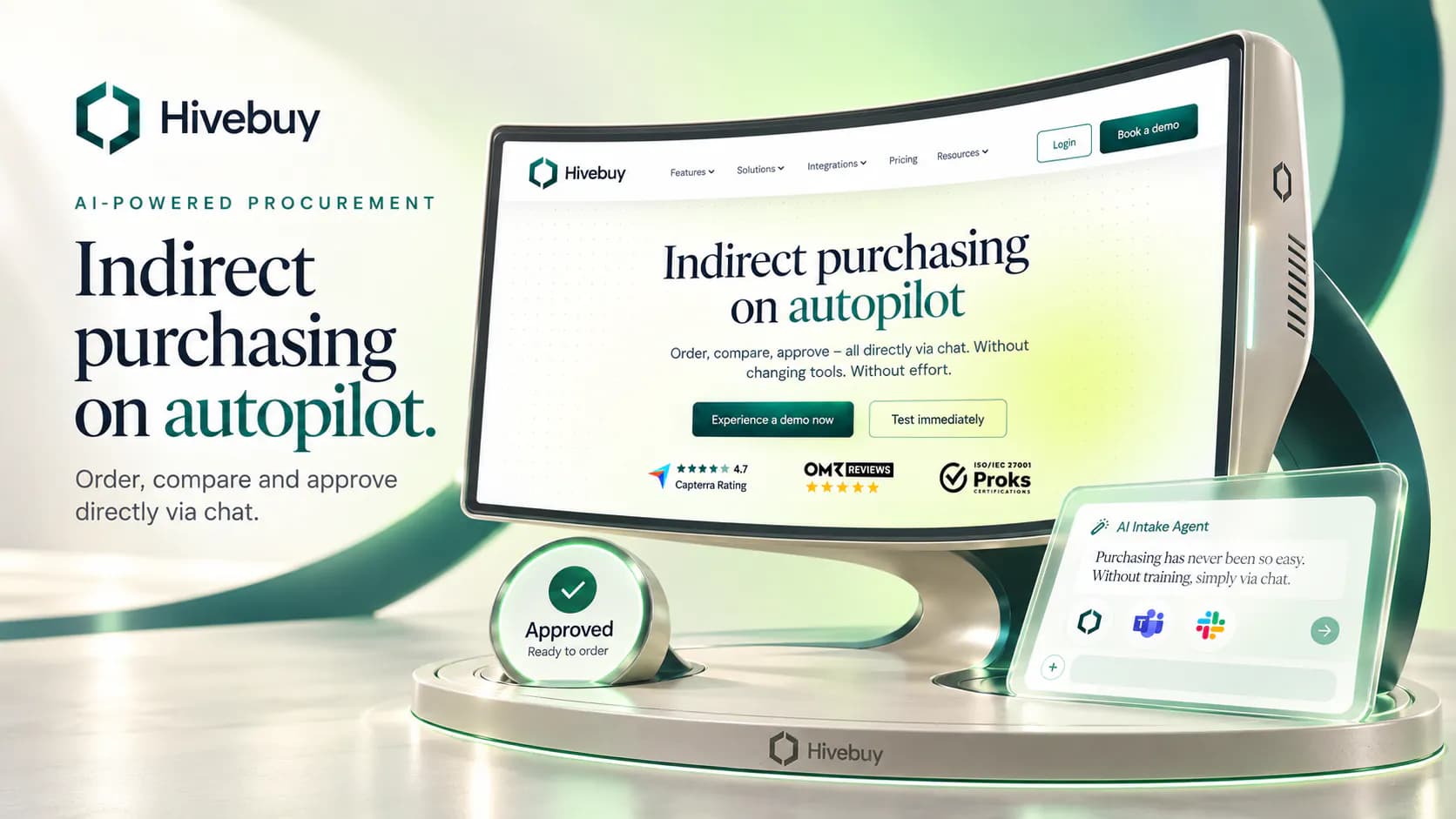
Hivebuy streamlines procurement workflows from request through approval, bringing clarity and efficiency to every purchasing decision.
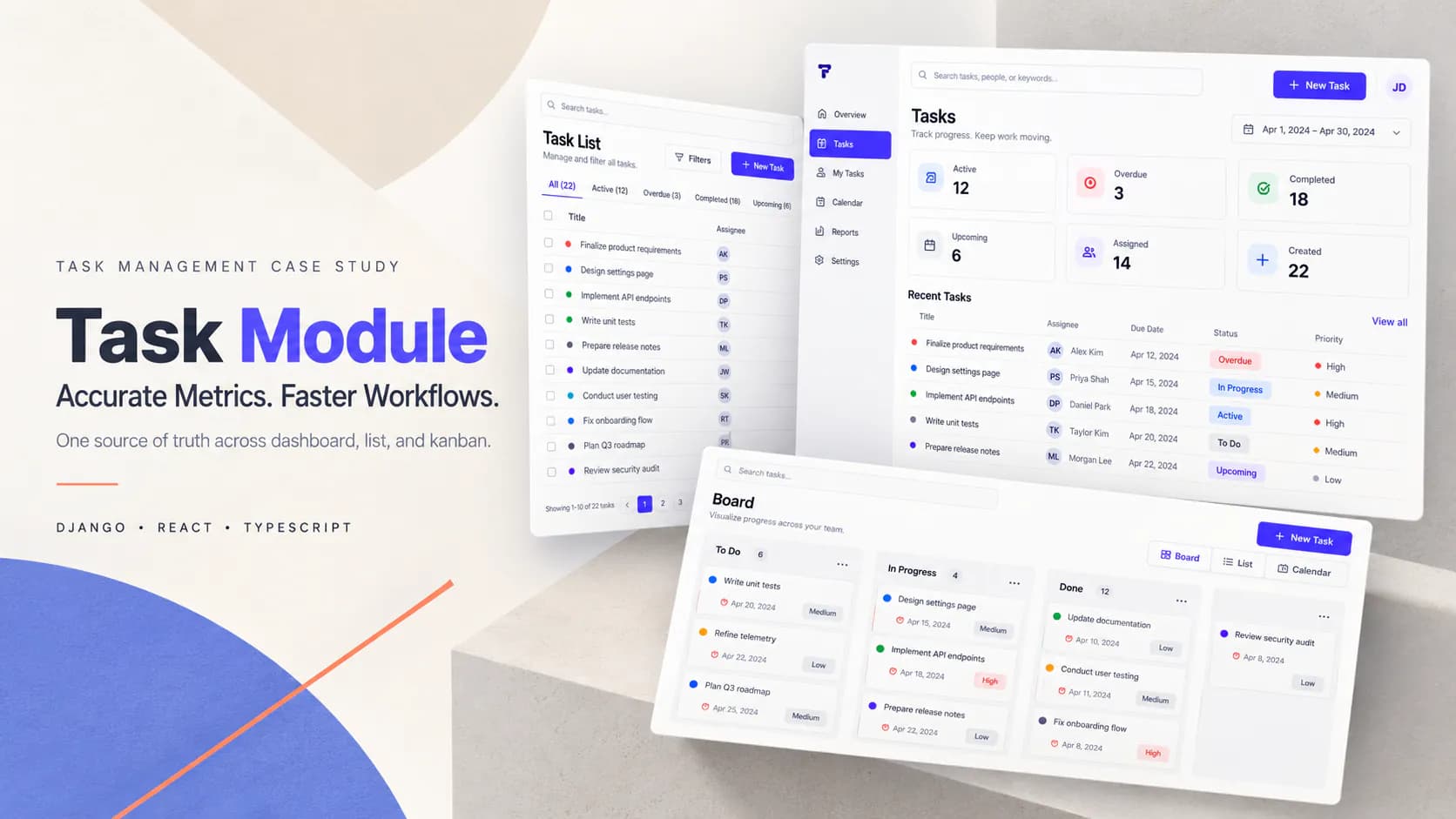
We made task dashboards count what they say they count, and made the lists, boards, and cards load fast.
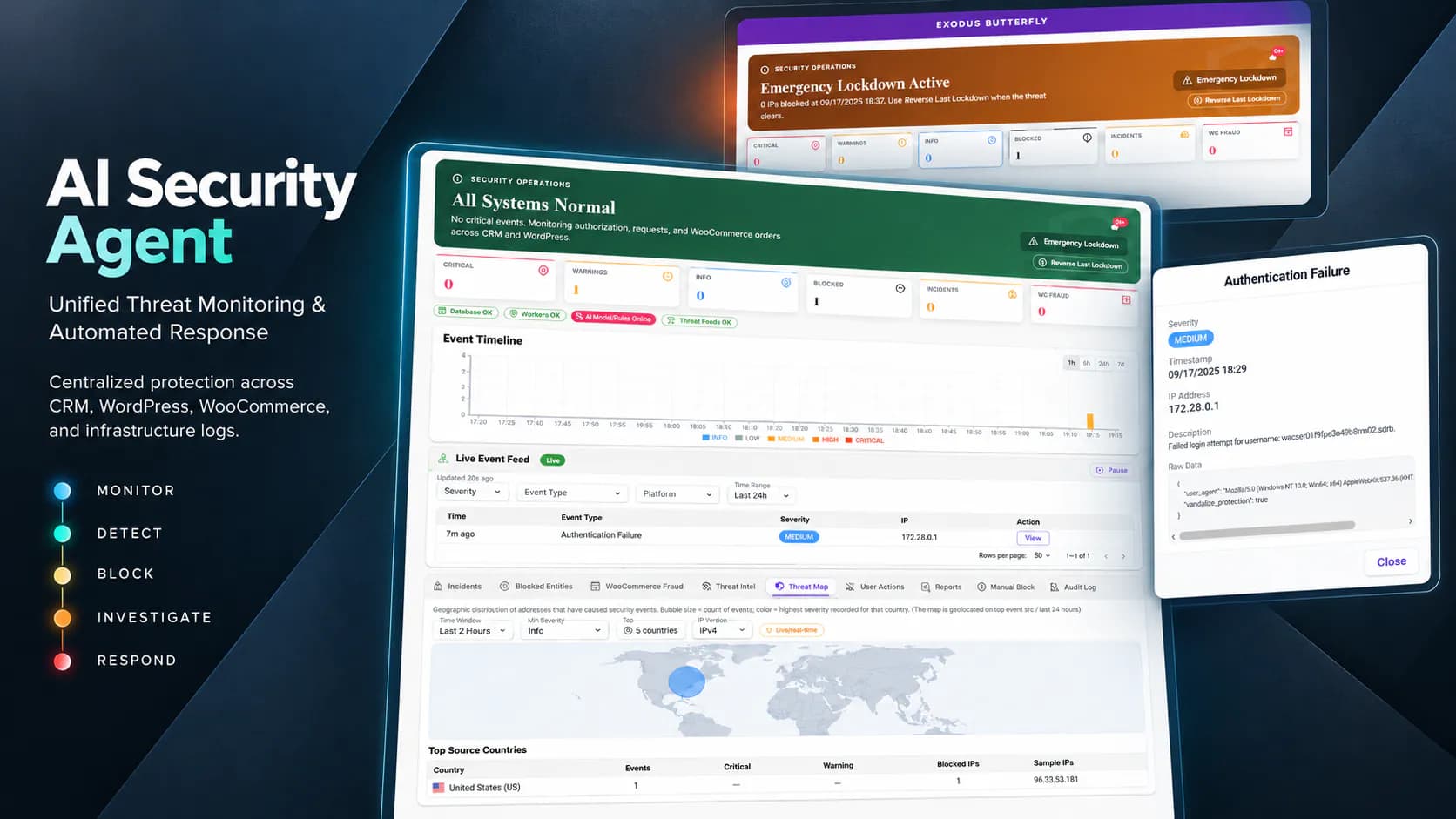
One security brain that watches your CRM, WordPress, and WooCommerce in real time — detecting attacks, scoring fraud, and blocking bad actors everywhere at once.